The Ultimate Guide to NMN 300mg Supplement: Everything You Need to Succeed

Sorting through NMN can feel overwhelming. You’ll see different dose sizes, big claims, and a lot of science-y terms that don’t always get explained. This guide breaks down what an NMN 300mg supplement is, how it works in your body, what benefits are realistic, and how to build a simple routine that actually fits your life.
What NMN is (and why it’s connected to “healthy aging”)
NMN (nicotinamide mononucleotide) is a compound your body can use to make NAD+ (nicotinamide adenine dinucleotide). NAD+ is a coenzyme, which basically means it helps other enzymes do their jobs. The important part: NAD+ levels tend to decline with age, and NAD+ is involved in hundreds of cellular reactions tied to energy production and cellular maintenance.
If you’ve heard NMN described as “cellular energy support,” this is what people are pointing to. NMN doesn’t “give you energy” like caffeine. It supports the systems that produce and manage energy inside cells.
Quick definition check
- NMN: a building block (precursor) your body can convert into NAD+
- NAD+: a helper molecule used across metabolism, DNA repair processes, and stress response pathways
- Sirtuins: proteins influenced by NAD+ availability; they’re often discussed in longevity research because they’re linked to cellular repair and gene regulation
Why 300mg is such a popular dose
A 300mg daily dose sits in a common wellness range (often cited around 250–750mg/day). It’s also close to amounts used in multiple human studies that measured NAD+ increases and functional outcomes over weeks to months.
In other words, 300mg is popular because it’s:
- Practical (one capsule or serving for many products)
- Within studied ranges (similar to 250mg/day in clinical research)
- Conservative (well below “high dose” protocols sometimes used in research settings)
If you’re new to NMN, 300mg is typically a reasonable starting point to evaluate tolerance and consistency.
How NMN works inside your body (simple version)
Here’s the step-by-step without the jargon overload:
- You take NMN
- Your body converts NMN into NAD+ using enzymes (often described as kinases in more technical sources)
- NAD+ supports core cell functions, especially in mitochondria (your cells’ energy centers)
- Higher NAD+ availability can help activate and support pathways involved in:
- energy metabolism
- DNA maintenance and repair signaling
- oxidative stress response
- gene expression regulation (including sirtuin-related pathways)
You’re not “turning back the clock.” You’re supporting the cellular tools that tend to run less efficiently as NAD+ drops over time.
Benefits people look for (and what the research suggests)
NMN research is active and promising, but it’s also important to keep expectations grounded. Some findings are strong, some are early, and many outcomes still need larger human trials.
1) Energy metabolism and daily stamina
Because NAD+ is central to how cells convert nutrients into usable energy, NMN may support mitochondrial function and metabolic efficiency. Many people judge this by “do I feel more steady energy?” rather than a sudden boost.
What to watch for: less afternoon slump, more consistent exercise tolerance, better recovery habits (when combined with sleep and nutrition).
2) Muscle function and physical performance
Muscle performance tends to decline with age (often cited as a meaningful drop each decade after adulthood). In clinical settings, NMN has been associated with improvements in certain functional tests (like chair-stand performance and walking metrics) over time.
What to watch for: easier stairs, stronger workout consistency, slightly better endurance: usually noticed after you’ve been consistent for a few weeks.
3) Cardiovascular and blood vessel support
Some research connects NMN-related NAD+ support to arterial function and oxidative stress management, along with pathways involving SIRT1 (a sirtuin often discussed for vascular health).
What to watch for: you won’t “feel” arterial flexibility directly. This is more of a long-game support category: best paired with basic heart-healthy habits.
4) Cognitive support and brain blood flow
Aging-related changes in blood vessel function can affect brain performance. NMN has been studied for its potential role in supporting neurovascular function and cognition-related outcomes in aging models.
What to watch for: better mental stamina, fewer “foggy” moments, more consistent focus: often subtle and gradual.
5) Skin, sleep, and general “aging well” goals
Some users report better sleep quality and skin appearance over time, which could relate to broader cellular stress responses and metabolic support. This area is still developing in research, so it’s best to treat these as possible benefits rather than guarantees.
When you might notice changes (a realistic timeline)
NMN isn’t usually an “overnight” supplement. A practical timeline many people use (and that aligns with how studies run) looks like this:
- Days 1–3: NAD+ levels may begin rising in the blood
- 2–4 weeks: some people notice exercise capacity or daily energy consistency
- 1–3 months: broader lifestyle-linked benefits may become more noticeable (sleep quality, performance consistency, mental stamina)
- 3–6+ months: deeper cardiometabolic support goals typically require sustained routines
A helpful mindset: treat NMN like a foundation supplement. You’ll get more from it when your basics (sleep, protein intake, movement) are reasonably steady.
How to take an NMN 300mg supplement (and keep it simple)
You don’t need a complicated “biohacker” routine. Start with consistency.
Basic routine (easy and sustainable)
- Take 300mg daily, preferably at the same time each day
- Pair with water and a normal meal if your stomach is sensitive
- Track 2–3 markers for 30 days (energy stability, workout consistency, sleep quality)
Morning vs. evening
- Morning is common because people associate NAD+ support with daytime energy metabolism.
- Evening can work if it fits your schedule, but if you notice sleep disruption, switch to mornings.
Stacking (what to combine thoughtfully)
NMN is often paired with general wellness basics:
- protein and resistance training (supports muscle outcomes)
- hydration and minerals (supports energy systems)
- antioxidant-rich foods (supports oxidative stress balance)
If you’re stacking supplements, introduce one change at a time so you can tell what’s helping.
Safety, tolerance, and “who should ask first”
At 300mg, NMN is generally considered within a well-studied wellness range, with multiple human trials reporting increases in NAD+ without major safety concerns noted over weeks to months. Still, it’s smart to be careful.
Consider talking to a healthcare professional first if you:
- are pregnant or breastfeeding
- take prescription medications (especially for blood sugar, blood pressure, or blood thinning)
- have a chronic condition that requires ongoing monitoring
- are preparing for surgery or managing a complex diagnosis
Possible side effects people report
Not everyone experiences side effects, but some people notice:
- mild digestive discomfort (often improved with food)
- headaches (sometimes tied to hydration/sleep changes)
- restlessness if taken late in the day
If something feels off, pause and reassess your timing, food, hydration, and any other new variables.
How to choose a quality NMN product (what actually matters)
Quality differences matter more than flashy labels. Here’s what to prioritize when you’re comparing an NMN 300mg supplement:
1) Manufacturing standards
Look for US-based manufacturing and GMP certification (Good Manufacturing Practices). GMP helps ensure consistent processes, cleaner production, and better batch controls.
2) Clear dosing and labeling
You should see:
- exact NMN amount per serving (e.g., 300mg)
- serving size and capsule count
- other ingredients clearly listed
3) Practical formula design
A clean formula is usually easier to stick with long-term. If a product has a long “proprietary blend” list, it can be harder to know what you’re actually getting.
4) Realistic claims
Be cautious with “guaranteed longevity” language. The best brands focus on support and healthy aging foundations, not miracles.
Building a targeted wellness plan (NMN + goal-based support)
NMN can be a great base, but many people do better when they align supplements to a specific goal. Here are a few common “goal stacks” (kept simple and realistic).
If your goal is metabolic support (blood sugar balance habits)
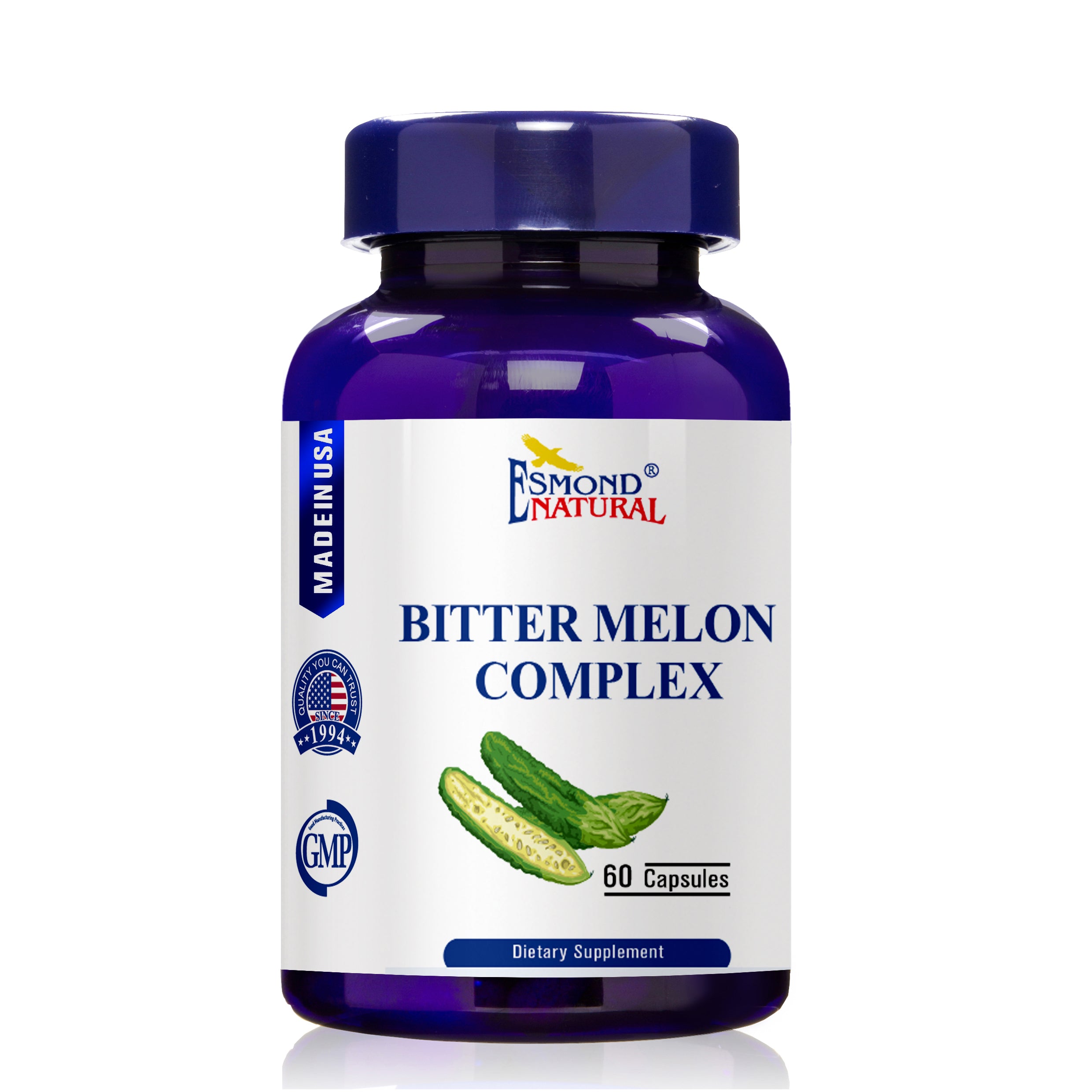
You may see people pair NAD+ support with targeted metabolic ingredients. A well-known option is bitter melon complex, often used as part of a broader routine that includes diet and movement.
- Learn more about Esmond Natural USA’s Bitter Melon Complex here: https://esmondnaturalusa.com/products/bitter-melon-complex
- If you want a practical lifestyle + supplement approach, this guide is helpful: https://esmondnaturalusa.com/blogs/health-wellness-education/struggling-for-natural-blood-sugar-support-5-steps-how-to-use-bitter-melon-complex-lifestyle-changes-easy-guide