


Lutein Complex Supplement 101: A Beginner's Guide to Supporting Eye Health After 40

If you've noticed your vision isn't quite what it used to be, you're not alone. After 40, your eyes face new challenges: from increased screen time to natural aging processes that affect how well you see. You might have heard that lutein can help, but navigating the world of eye health supplements can feel overwhelming when you're just starting out.
This guide breaks down everything you need to know about lutein complex supplements in straightforward terms, so you can make informed decisions about supporting your vision as you age.
What Exactly Is Lutein?
Lutein is a naturally occurring carotenoid: a type of pigment found in colorful plants like spinach, kale, and egg yolks. Think of carotenoids as nature's protective compounds that give fruits and vegetables their vibrant colors.
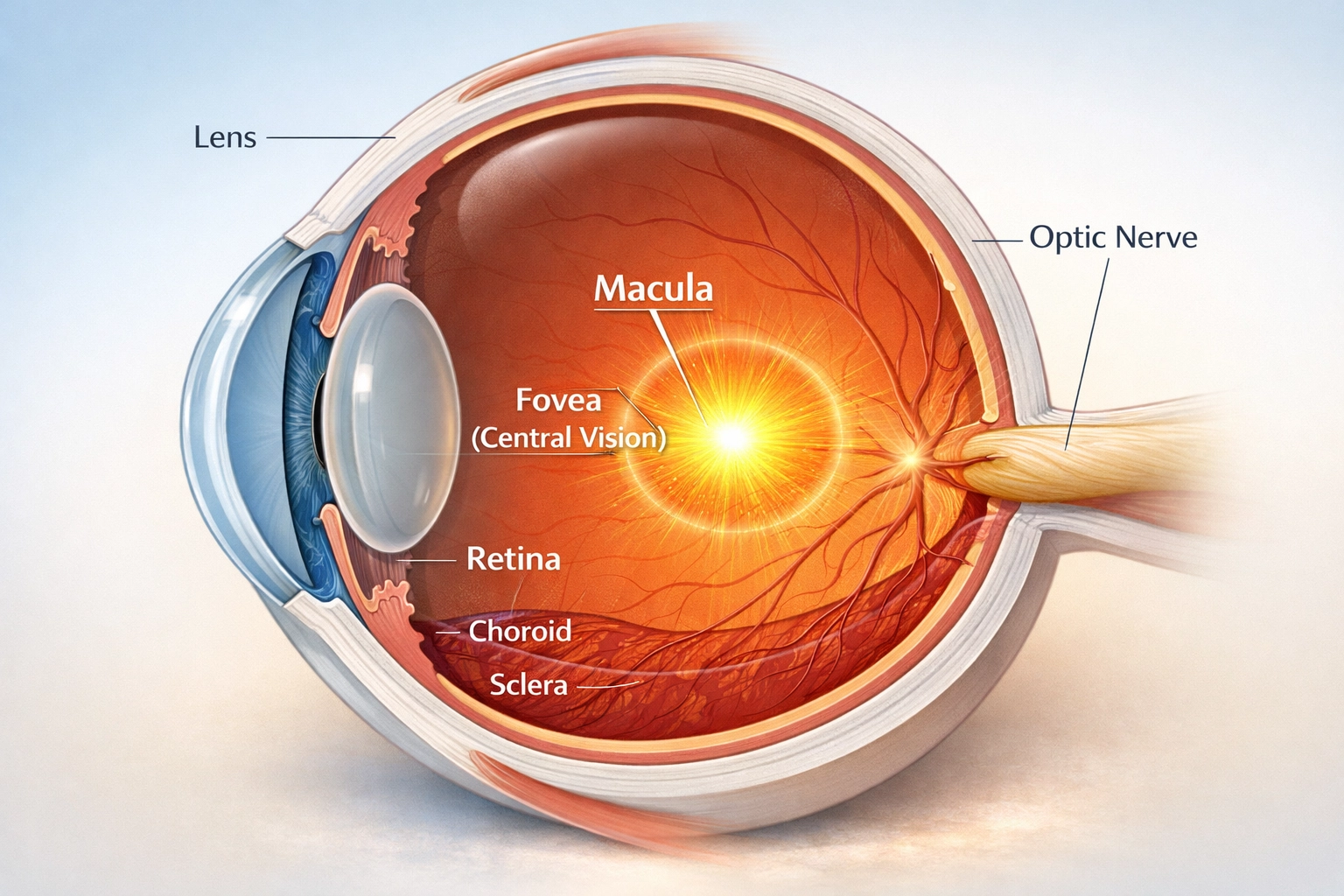
What makes lutein special for your eyes is where it accumulates in your body. Unlike many nutrients that spread throughout various organs, lutein concentrates specifically in your macula, the central part of your retina responsible for sharp, detailed vision. Once there, it acts as both a natural filter and an antioxidant.
Lutein works closely with a partner compound called zeaxanthin. Together, they form what scientists call "macular pigment": your eyes' built-in defense system against damage.

Why Age 40 Becomes a Turning Point for Eye Health
Your 40s mark a significant transition for your vision. This is when age-related eye conditions start becoming more common, and the natural protective mechanisms in your eyes begin to weaken.
Several factors converge at this stage:
Decreased macular pigment density: As you age, the concentration of lutein and zeaxanthin in your macula naturally declines. This leaves your eyes more vulnerable to oxidative stress and light damage.
Increased exposure to blue light: Modern life means more time staring at screens, which emit blue light that can penetrate deep into your eye and potentially damage light-sensitive cells.
Higher risk of AMD and cataracts: Age-related macular degeneration (AMD) and cataracts rarely affect people in their 20s or 30s, but your risk increases significantly after 40. These conditions develop gradually over years, which is why prevention and early intervention matter.
Cellular changes: The cells in your retina become less efficient at repairing damage and fighting off free radicals: unstable molecules that can harm your eye tissue.
How Lutein Protects Your Eyes
Lutein doesn't just sit passively in your eyes. It actively works to protect your vision through several mechanisms.
Filtering Harmful Blue Light
Lutein absorbs blue light before it reaches the delicate photoreceptor cells in your retina. Think of it as a pair of internal sunglasses that specifically block the wavelengths most likely to cause damage. This filtering effect is particularly valuable if you spend hours looking at computer screens, smartphones, or driving in bright conditions.
Reducing Oxidative Stress
Your eyes are constantly exposed to oxygen and light: a combination that generates free radicals. Lutein acts as an antioxidant, neutralizing these harmful molecules before they can damage your retinal cells. This protective action helps slow down the aging process in your eyes.
Supporting Visual Performance
Beyond protection, lutein can actually improve how well you see. Research shows it enhances contrast sensitivity, which means you can better distinguish objects from their background. It also supports visual sharpness, especially in low-light conditions or when you're experiencing glare.
Addressing Age-Related Macular Degeneration
Clinical studies have demonstrated lutein's role in AMD prevention and management. Research indicates that consuming 6 mg of lutein daily led to a 43% lower risk of developing macular degeneration. For people who already have early-stage AMD, supplements containing lutein and zeaxanthin reduced the progression to advanced AMD by 25% over five years.
Reducing Cataract Risk
While the research is more established for AMD, studies also show that higher lutein intake is associated with lower cataract prevalence. By neutralizing free radicals, lutein helps prevent the lens clouding that characterizes cataracts.
Understanding Lutein Dosage and Effectiveness
When you start looking at lutein supplements, you'll see a range of dosages. Here's what the research suggests works.
The effective range is typically 6 mg to 30 mg daily, depending on your current eye health and goals:
-
For general prevention: Most experts recommend at least 10 mg daily if you're looking to maintain healthy vision and reduce your long-term risk of eye disease.
-
For AMD risk reduction: Clinical studies showing significant benefits used doses of at least 5-6 mg daily, taken consistently for a minimum of three months.
-
For existing eye concerns: Higher doses around 20-30 mg may be appropriate if you're already experiencing early signs of AMD or other age-related changes. Consult with your eye care professional for personalized guidance.
One important note about lutein: it's fat-soluble, which means your body absorbs it best when you take it with food that contains some fat. A meal with olive oil, avocado, nuts, or eggs will help maximize absorption. Taking lutein on an empty stomach significantly reduces how much actually enters your bloodstream.

What to Look for in a Lutein Complex Supplement
Not all lutein supplements are created equal. Here's what matters when you're choosing one.
Lutein Plus Zeaxanthin
The most effective formulations include both lutein and zeaxanthin. These compounds work synergistically: meaning they're more effective together than either would be alone. Look for products that clearly list both ingredients.
Dosage Per Serving
Check the label to confirm you're getting an effective dose. Some products contain only 2-3 mg of lutein per serving, which falls below the amounts shown to provide meaningful benefits in research studies.
Quality Manufacturing Standards
Look for supplements manufactured in GMP-certified (Good Manufacturing Practice) facilities. This certification indicates the product has been made following strict quality control standards. US-based manufacturing can provide additional assurance about ingredient sourcing and testing protocols.
Additional Supporting Nutrients
Some lutein complex supplements include vitamins C and E, zinc, and copper: nutrients that research has also linked to eye health support. These combinations are based on formulations studied in major clinical trials like AREDS and AREDS2.
Getting Started with Lutein Supplements
If you're ready to try a lutein complex supplement, here's a practical approach.
Start with realistic expectations: Lutein isn't a quick fix. Most research shows that benefits become noticeable after at least three months of consistent use. You're supporting long-term eye health, not treating an immediate problem.
Be consistent: Take your supplement at the same time each day, ideally with your largest meal to maximize absorption. Consistency matters more than the specific time of day.
Continue regular eye exams: Supplements support eye health but don't replace professional care. Maintain your routine eye checkups, especially after 40 when your doctor can monitor for early signs of AMD, glaucoma, or cataracts.
Consider dietary sources too: While supplements provide concentrated doses, eating lutein-rich foods like leafy greens, egg yolks, and corn supports overall nutrition and provides other beneficial compounds that work alongside lutein.
Monitor your response: Pay attention to aspects like visual clarity, eye comfort during screen time, and how well you see in challenging lighting conditions. These subtle improvements may become noticeable over several months.
Supporting Your Vision for the Long Term
Protecting your eyes after 40 requires a proactive approach. While you can't stop the aging process, you can give your eyes the nutritional support they need to function at their best.
Lutein complex supplements offer a research-backed way to strengthen your eyes' natural defenses against age-related damage. Combined with regular eye care, a nutrient-rich diet, and protective habits like wearing sunglasses outdoors, lutein becomes part of a comprehensive strategy for maintaining healthy vision as you age.
At Esmond Natural USA, we formulate our Lutein Complex supplement with meaningful doses of lutein and zeaxanthin, manufactured in our US-based, GMP-certified facility to ensure quality and purity in every tablet.

