


Lutein Complex Supplement 101: A Beginner’s Guide to Mastering Eye Health After 40

Navigating the world of nutrition after you hit 40 can feel overwhelming. You might notice that the font on your phone seems smaller, or that driving at night requires a bit more focus than it used to. These changes are a natural part of aging, but they often lead to questions about how to best support your vision. You may have heard about a lutein complex supplement as a potential solution, but understanding what it is and how it works is the first step toward taking control of your eye health.
Eye health is often something we take for granted until it starts to shift. As you reach midlife, your eyes become more susceptible to oxidative stress and the cumulative effects of light exposure. This guide will break down everything you need to know about lutein, its partner zeaxanthin, and why a comprehensive approach to supplementation is essential for maintaining clarity and comfort in your vision.
What Exactly is a Lutein Complex Supplement?
Lutein is a type of organic pigment called a carotenoid. It is naturally found in high concentrations in the macula, which is the small, central part of the retina responsible for sharp, detailed vision. Because your body cannot produce lutein on its own, you must obtain it through your diet or via supplementation.
A "complex" supplement usually goes beyond just a single ingredient. It typically combines lutein with other supporting nutrients, most notably zeaxanthin. Together, these two carotenoids are often referred to as "macular pigments." They work in tandem to create a protective layer in the back of your eye.
Think of a lutein complex as "internal sunglasses." Just as you wear shades to protect your eyes from the sun, these nutrients help shield your internal eye structures from high-energy light waves.
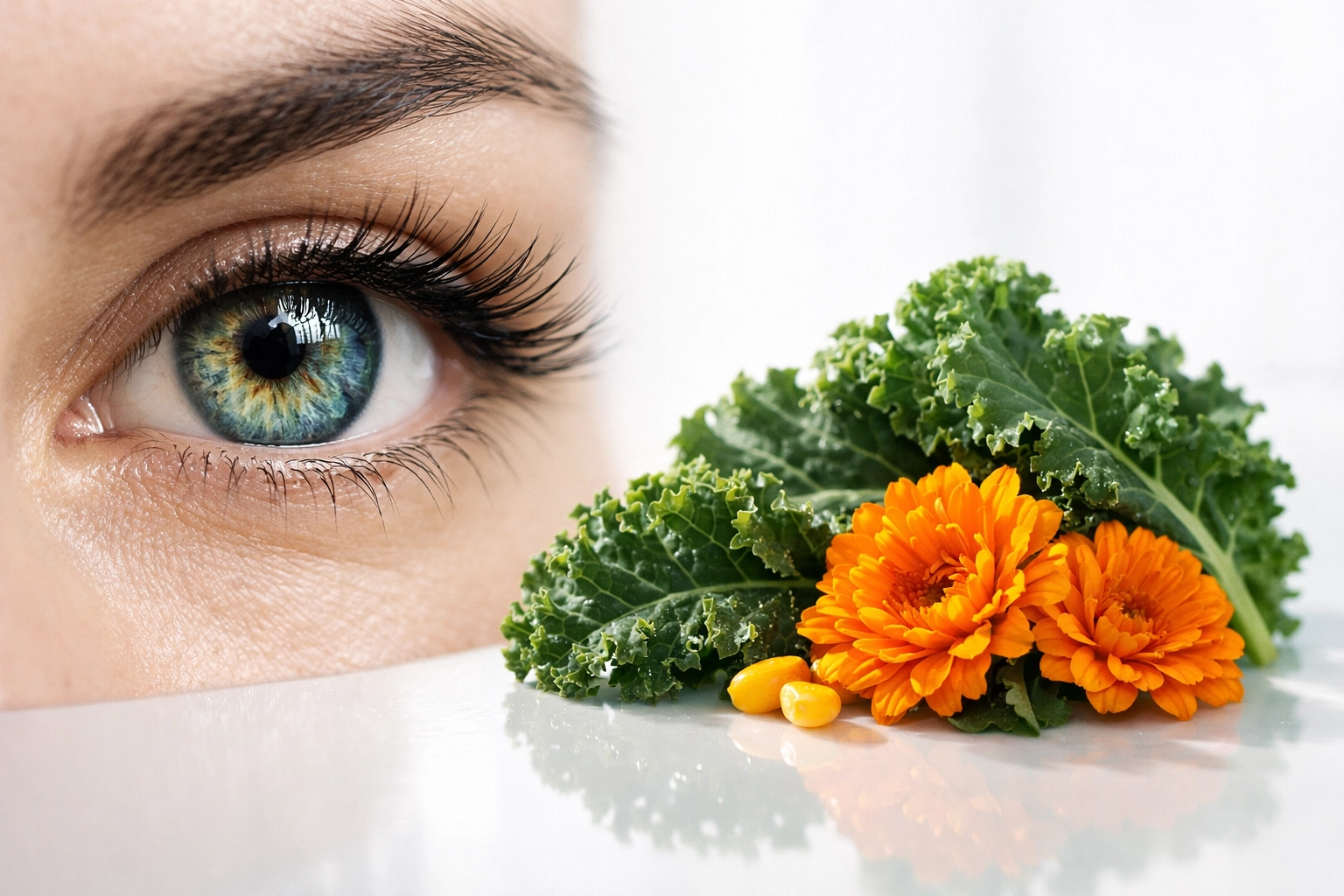
The Science of How Lutein Protects Your Vision
To understand why a lutein complex supplement is effective, it helps to look at the two primary ways it functions within the eye: light filtration and antioxidant support.
1. The Natural Blue Light Filter
We are constantly surrounded by blue light, not just from the sun, but from our smartphones, tablets, and computer screens. Lutein and zeaxanthin act as natural filters for this blue light. Research indicates that these compounds can absorb between 40% and 90% of incident blue light. By doing so, they reduce the amount of phototoxic damage to the light-sensitive cells in your retina.
2. Antioxidant and Anti-Inflammatory Action
As you age, your eyes are exposed to "free radicals": unstable molecules that can damage cells. Lutein is a powerful antioxidant that helps neutralize these free radicals. By reducing oxidative stress and inflammation, lutein helps guard the delicate tissues of the eye from long-term wear and tear. This is particularly important after 40, as the body’s natural antioxidant defenses can begin to decline.
Key Benefits for Adults Over 40
The primary reason many people start looking into a lutein complex supplement is to address or prevent specific age-related concerns.
Supporting the Macula and Preventing AMD
Age-related macular degeneration (AMD) is a leading cause of vision loss in older adults. Studies have shown that individuals with high consumption of lutein and zeaxanthin have a significantly lower risk of developing advanced AMD. Specifically, some research suggests a 65% reduction in neovascular AMD for those with the highest intake compared to those with the lowest.
Improving Contrast and Reducing Glare
Have you ever struggled to see clearly when there is a bright light behind an object? This is known as contrast sensitivity. Supplementing with lutein can improve your eye’s ability to distinguish objects from their background. It also helps with "glare recovery": how quickly your vision returns to normal after being blinded by a bright light, such as oncoming headlights during night driving.
Fighting Visual Fatigue and Dryness
In our digital age, "screen fatigue" is a common complaint. Six months of consistent lutein supplementation has been shown to improve tear production and tear film stability. This can lead to a noticeable reduction in the dry, itchy feeling that often follows a long day of work at a computer.
Understanding the "Complex" Ingredients
While lutein is the star of the show, it rarely works alone. A high-quality lutein complex supplement often includes other targeted nutrients to maximize its effectiveness.
- Zeaxanthin: This is lutein’s most important partner. While lutein is found throughout the retina, zeaxanthin is concentrated in the very center of the macula.
- Meso-zeaxanthin: This is a third carotenoid that the body usually converts from lutein. It provides an extra layer of protection in the center of the visual field.
- Vitamins and Minerals: Many complexes include Vitamin C, Vitamin E, and Zinc, which are part of the original AREDS (Age-Related Eye Disease Study) formulation shown to support retinal health.
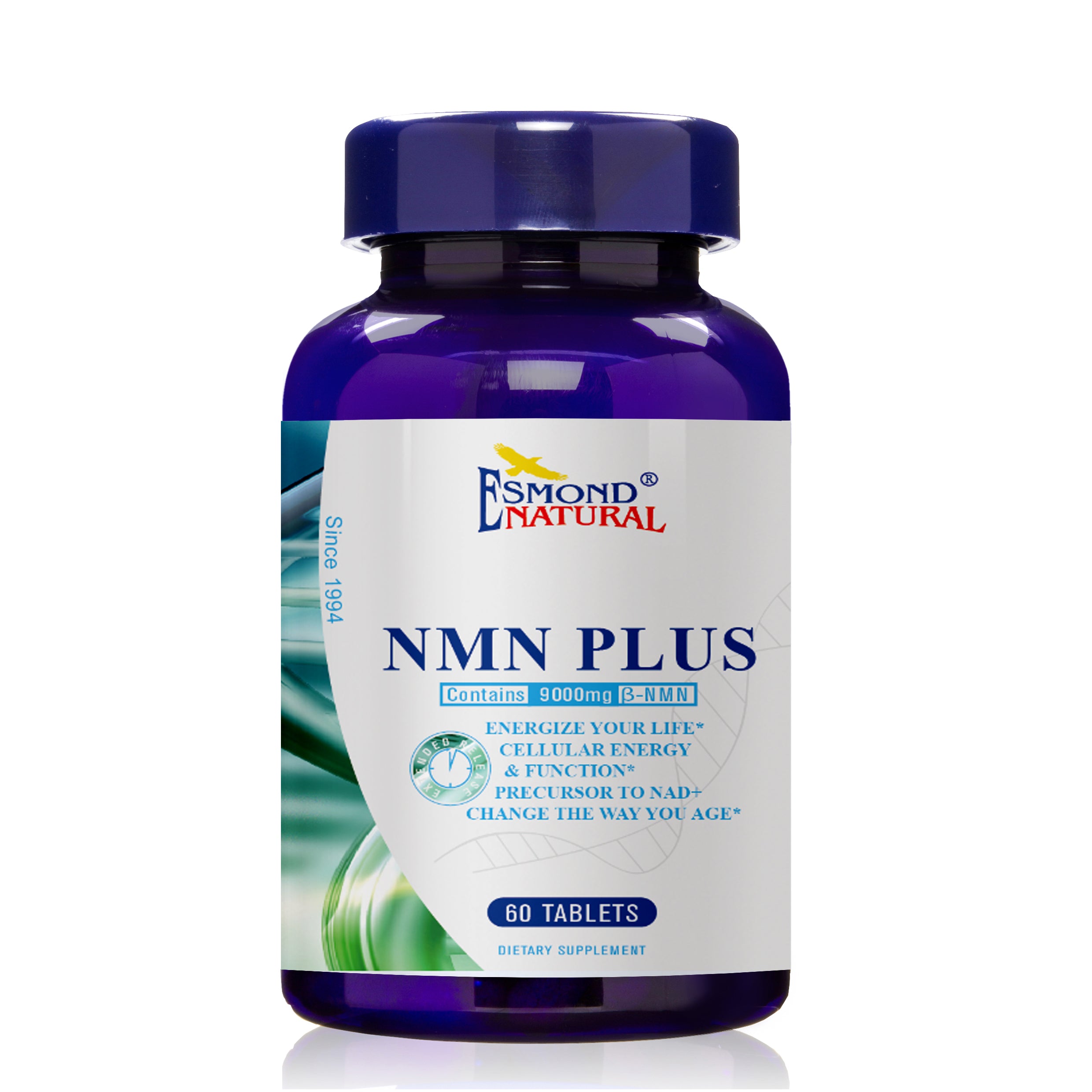
If you are looking for broader health support, you might also consider how your eye health fits into your overall wellness routine. For example, maintaining healthy blood sugar levels is vital for eye health, where a bitter melon complex might be relevant, or general cellular support with an nmn 300mg supplement.
Dosage: How Much Do You Need?
When starting a lutein complex supplement, consistency is more important than a massive "one-off" dose. Most clinical studies suggest that a daily intake of 10 milligrams of lutein and 2 milligrams of zeaxanthin is the baseline for seeing meaningful benefits.
For those specifically concerned about AMD, some practitioners recommend slightly higher doses, but it is always best to start with the standard 10mg dose found in most premium formulas. Since lutein is fat-soluble, it is best absorbed when taken with a meal that contains a small amount of healthy fat, like avocado or olive oil.
What to Expect: The Timeline for Results
It is important to manage your expectations when starting any new supplement. You likely won't notice a change overnight. Because lutein needs to physically accumulate in the macular pigment of your eye, the process takes time.
- 1 to 3 Months: During this initial phase, the levels of lutein in your blood and tissues begin to rise.
- 3 to 6 Months: This is typically when people begin to report improvements in glare recovery and reduced eye strain.
- 6 Months and Beyond: Long-term studies show that the most significant improvements in tear production and macular pigment optical density occur after half a year of consistent use.

Safety and Quality: What to Look For
Lutein is categorized as "Generally Regarded as Safe" (GRAS), meaning it has a very high safety profile even with long-term use. However, the quality of the supplement you choose matters.
When shopping for a lutein complex supplement, look for products that emphasize:
- GMP Certification: This ensures the product is manufactured according to strict quality standards.
- US-Based Manufacturing: This often guarantees higher oversight in the production process.
- Clean Labeling: Avoid supplements with unnecessary fillers or artificial dyes.
At Esmond Natural USA, we prioritize these standards to ensure that what you see on the label is exactly what you get in the bottle.
Beyond the Eyes: A Holistic Approach to Aging
While focusing on your vision is vital, eye health is often a reflection of your body’s overall state. Many adults over 40 find that a combination of targeted supplements works best.
For instance, women may look into evening primrose oil for women to support hormonal balance, while men might consider a super prostate formula supplement or lycopene 40 mg softgels for prostate health. Even systemic balance, supported by alkaline booster tablets or alkaline tablets, can create a healthier environment for your eyes to thrive. If you're looking for energy and vitality, a maca root complex or an arginine complex supplement can be excellent additions to your daily regimen.

Can You Get Enough Lutein from Food?
It is certainly possible to get lutein from your diet, but it requires a lot of leafy greens. To hit that 10mg daily target, you would need to eat about one cup of cooked kale or two cups of spinach every single day.
While a diet rich in greens is always the goal, a supplement provides a "safety net." It ensures you get a consistent, concentrated dose of both lutein and zeaxanthin without having to track every gram of kale you eat. A balanced approach: eating your greens and taking a high-quality softgel: is often the most effective strategy for long-term eye health.
Conclusion
Mastering your eye health after 40 doesn't have to be complicated. By understanding the role of a lutein complex supplement, you can provide your eyes with the specific nutrients they need to filter blue light, fight oxidative stress, and maintain clarity. Remember that consistency is key; the benefits of these powerful carotenoids build up over months, providing a foundation for healthy vision well into your senior years.
Esmond Natural USA focuses on providing premium, US-manufactured dietary supplements that help you navigate the aging process with confidence. You can explore our full range of health solutions on our blog or check out our best sellers to find the right fit for your wellness journey.

