


Are Alkaline Tablets Bad? The Truth About pH Balance Supplements

You've probably seen alkaline tablets marketed everywhere: from health food stores to social media ads promising to "balance your pH" and boost your wellness. But scrolling through conflicting information about whether these supplements are helpful or harmful can feel overwhelming. Let's cut through the noise and look at what science actually says about alkaline tablets and pH balance supplements.
Understanding pH Balance in Your Body
Your body maintains a tightly controlled pH range between 7.35 and 7.45. This slightly alkaline state is crucial for everything from enzyme function to oxygen delivery in your blood.
Here's the thing: your body is exceptionally good at regulating its own pH levels. Your lungs, kidneys, and buffer systems work around the clock to keep your blood pH stable, regardless of what you eat or drink. When you consume acidic or alkaline foods, your body quickly compensates through these natural mechanisms.
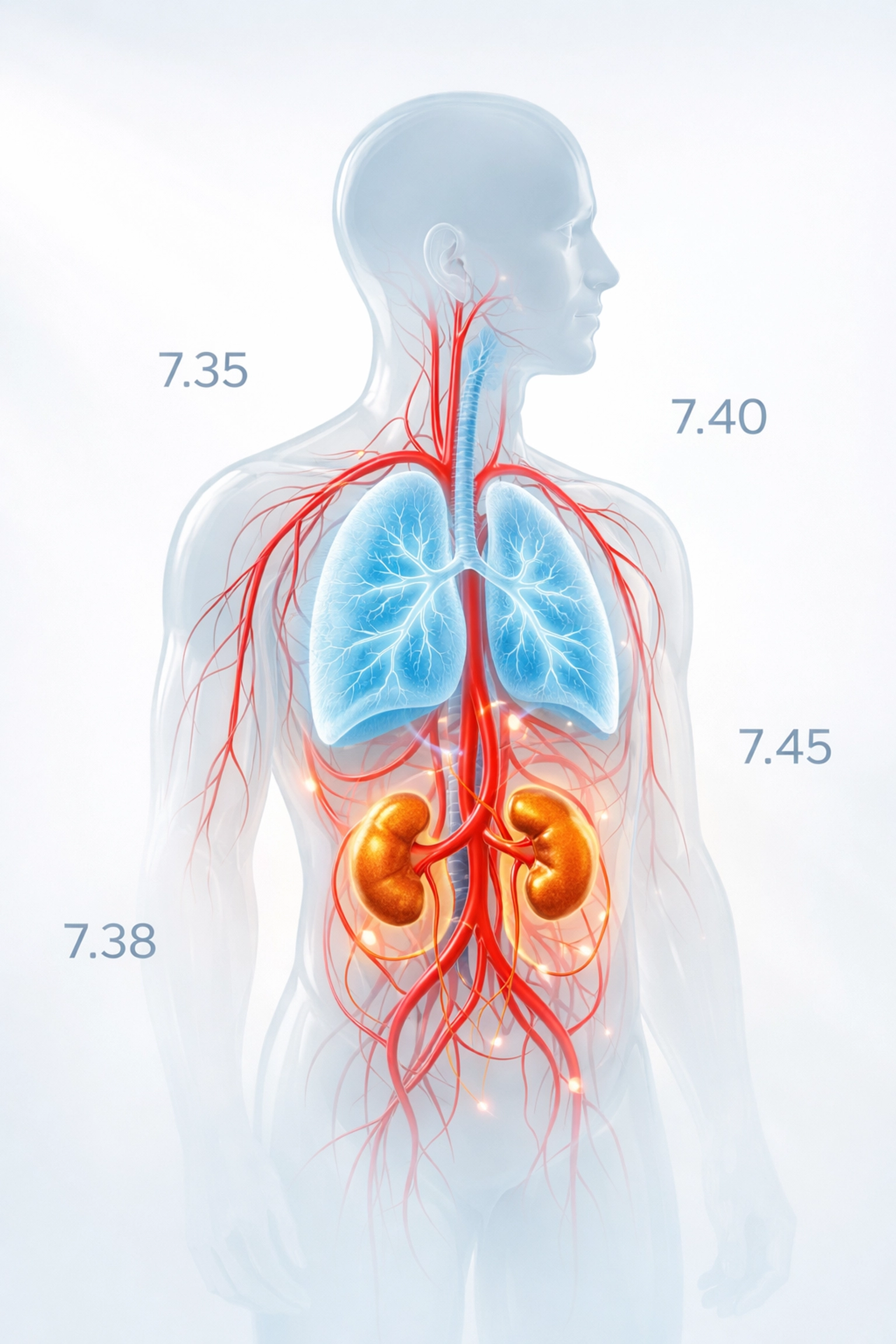
The pH of your blood is different from the pH of your stomach (which needs to be very acidic for digestion) or your urine (which naturally fluctuates based on what you eat). This is where a lot of confusion begins: many alkaline supplement marketing claims conflate these different pH measurements.
What Alkaline Tablets Actually Do
Alkaline tablets typically contain compounds like sodium bicarbonate, sodium carbonate, calcium carbonate, or magnesium. Some also include mineral blends with potassium, zinc, or other nutrients.
Unlike eating alkaline-rich foods like leafy greens or lemon water (which don't significantly affect blood pH), alkaline supplements can actually influence your body's pH levels. This is both their potential benefit and their risk factor.
When you take an alkaline tablet, it works primarily in your digestive system. The supplement can neutralize stomach acid, which is why products containing sodium bicarbonate are FDA-approved for occasional heartburn relief. Some formulations aim to support your body's natural buffering systems by providing mineral cofactors.
The Safety Question: Are They Actually Bad for You?
The short answer: alkaline tablets aren't inherently "bad," but they're unnecessary for most people and do carry some considerations.
Chemical Safety
Alkaline tablets contain substances that can cause skin and eye irritation upon direct contact. Products with sodium carbonate and citric acid carry hazard classifications for irritation, which is why you'll see safety warnings on product labels. This doesn't mean they're dangerous when taken as directed: it simply means handling precautions matter.
Blood pH Concerns
This is where alkaline supplements differ from dietary approaches. While eating alkaline foods won't shift your blood pH, supplements designed to alter pH actually can. For healthy individuals with properly functioning kidneys and lungs, this usually isn't a problem: your body compensates quickly.
However, taking excessive amounts could potentially interfere with your body's natural pH regulation. Symptoms of alkalosis (overly alkaline blood) include confusion, nausea, muscle twitching, and tingling sensations.

Digestive Interactions
Because alkaline tablets neutralize stomach acid, they can interfere with nutrient absorption and medication effectiveness. Your stomach needs to be acidic to properly break down proteins and absorb minerals like iron, calcium, and vitamin B12.
FDA Status
Certain alkaline supplements, particularly those based on sodium bicarbonate, are FDA-approved as safe for human consumption when used appropriately. However, they're not recommended for pregnant women without medical supervision. The FDA doesn't evaluate most dietary supplements for efficacy: only safety.
Common Myths About pH Balance Supplements
Myth 1: "Your diet makes your blood acidic"
Your diet can influence the pH of your urine, but it doesn't change your blood pH in healthy individuals. If your blood pH were to shift significantly from dietary factors alone, you'd need immediate medical intervention: it would be a serious medical emergency, not something a supplement could fix.
Myth 2: "Everyone benefits from alkaline supplements"
Your body already maintains optimal pH balance if you're healthy. Adding alkaline supplements when your system is functioning properly doesn't provide additional benefits. You can't make your blood "more alkaline" beyond the healthy range without causing harm.
Myth 3: "Alkaline tablets prevent disease"
While proponents claim alkaline supplements prevent cancer, bone loss, and chronic diseases, scientific evidence doesn't support these broad claims. Some limited studies suggest potential benefits for specific conditions under medical supervision, but the general wellness claims lack robust scientific backing.

Myth 4: "They're just like eating vegetables"
Eating alkaline-rich foods like spinach, cucumbers, and broccoli is nutritionally beneficial, but not because they alkalize your blood. These foods provide vitamins, minerals, fiber, and phytonutrients your body needs. Alkaline tablets don't replace the comprehensive nutrition from whole foods.
Who Might Actually Benefit from Alkaline Tablets
While most people don't need pH supplements, specific situations exist where they may be appropriate:
Occasional heartburn sufferers: Products containing sodium bicarbonate or calcium carbonate can provide short-term relief from acid reflux symptoms.
Athletes during intense training: Some research suggests sodium bicarbonate supplementation may help buffer lactic acid during high-intensity exercise, though results are mixed and dosing matters significantly.
Individuals with certain medical conditions: People with chronic kidney disease or specific metabolic conditions may benefit from alkaline supplements under medical supervision. However, these same individuals face higher risks from improper use.
Those with dietary mineral gaps: If alkaline tablets contain calcium, magnesium, or potassium, they may help fill nutritional gaps: but you're essentially taking a mineral supplement, not benefiting from "alkalinity" per se.
Making Smart Choices About pH Supplements
If you're considering alkaline tablets, keep these guidelines in mind:
-
Check the pH level: Products with pH exceeding 9.8 raise more safety concerns. Look for formulations in the moderate alkaline range.
-
Read the ingredient list: Know exactly what minerals and compounds you're taking. Some formulations are essentially mineral supplements with marketing spin.
-
Consider timing: If you do take alkaline supplements, avoid taking them with meals or medications, as they can interfere with absorption.
-
Watch for symptoms: Discontinue use if you experience nausea, confusion, muscle weakness, or other unusual symptoms.
-
Talk to your healthcare provider: This is especially important if you're pregnant, have kidney issues, take prescription medications, or have any chronic health conditions.

The Bottom Line
Alkaline tablets aren't the villain or the miracle cure they're sometimes portrayed to be. They're generally safe when used occasionally and appropriately, but they're also unnecessary for most healthy individuals whose bodies already regulate pH effectively.
The best way to support your body's natural pH balance is through lifestyle fundamentals: eating plenty of fruits and vegetables, staying hydrated, maintaining healthy kidney and lung function, and avoiding excessive processed foods. These approaches support your body's existing pH regulation systems rather than trying to override them.
If you're concerned about your body's pH balance or considering supplements, it's worth having a conversation with a healthcare provider who can assess your individual situation. Your body's pH regulation is sophisticated and precise: respect that system rather than trying to micromanage it without medical guidance.
At Esmond Natural USA, we focus on providing quality supplements that support overall wellness through evidence-based formulations. Understanding how supplements work in your body helps you make informed choices about what you actually need.

